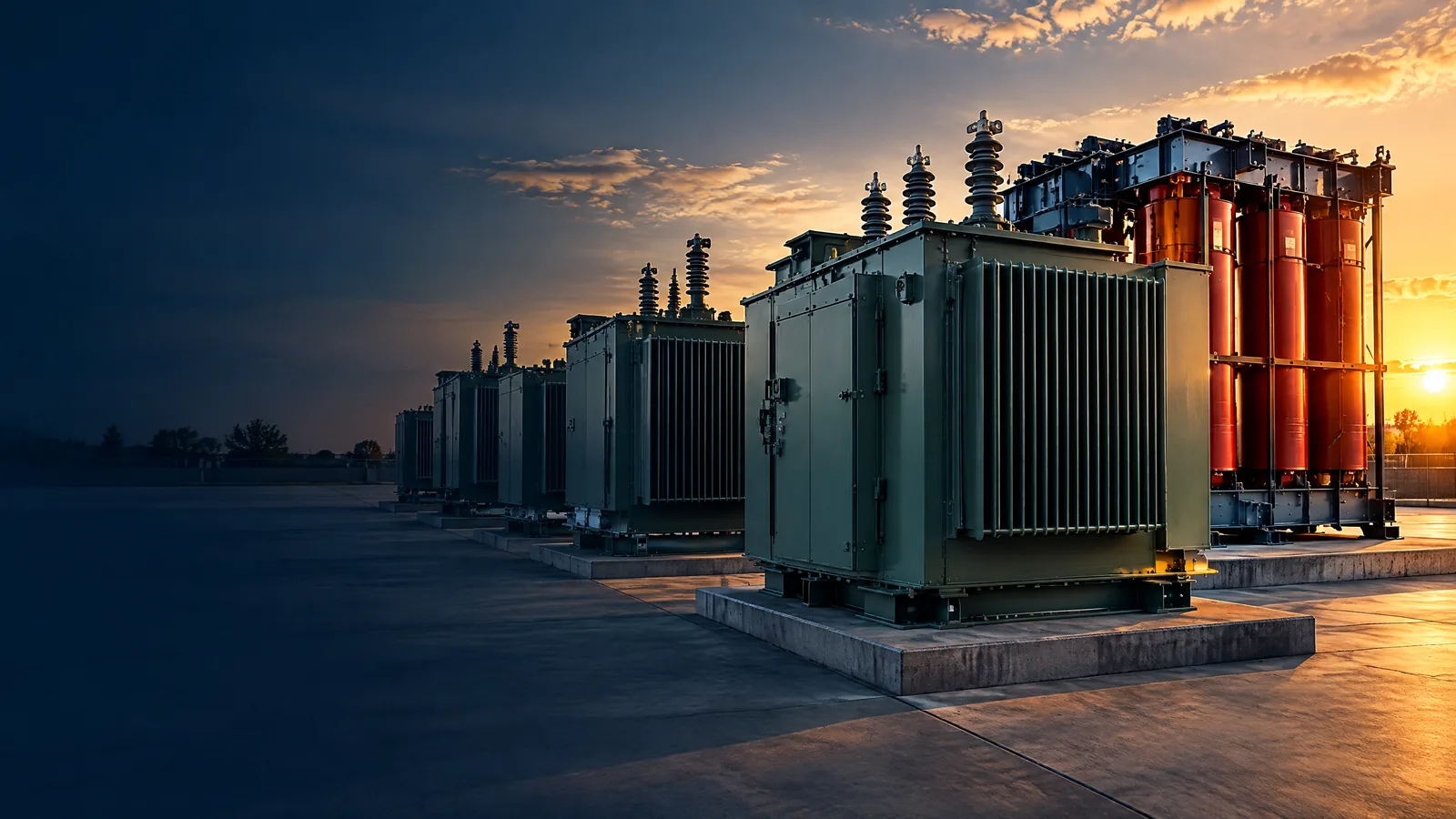
Transformer categories we evaluate
Electrical Transformer Buyers works with commercial and industrial sellers who need a practical path for excess power-distribution equipment. Submissions may include pad-mounted, dry-type, distribution, power, substation, isolation, step-up, step-down, autotransformer, and three-phase units. We also review groups of mixed transformer inventory when the seller can provide enough information to identify the assets. Every unit is evaluated individually; a category appearing on this site does not guarantee purchase.
The most useful first step is not a long sales call. It is a complete information packet. A readable nameplate image, exterior photos, quantity, operating history when known, location, and site-access notes allow a buyer to determine whether the equipment fits a current resale, reuse, remanufacturing, parts, or other approved recovery channel. Clear information protects the seller’s time and makes the commercial discussion more specific.
- Pad-mounted and distribution transformers
- Dry-type, isolation, and three-phase transformers
- Power and substation transformers
- New-surplus, stored, installed-used, and select non-operational units
Built for real commercial surplus situations
A transformer can become surplus after a facility upgrade, project cancellation, equipment standardization, plant closure, utility change, warehouse cleanout, or contractor closeout. The seller may be a facility owner, electrical contractor, distributor, manufacturer, utility, project developer, property manager, liquidator, or another authorized representative. We focus the conversation on the asset, the seller’s authority to sell it, the condition, and the practical path to removal.
This is not a consumer checkout site and it is not an automatic scrap-price calculator. Transformer value can be influenced by specifications, age, condition, documentation, market demand, location, loading access, oil status, quantity, and the cost of safe transportation. A qualified review is more useful than a generic price promise because it connects the equipment to a realistic transaction path.
From nameplate photos to pickup coordination
First, send safe-to-obtain photos and known specifications. Second, our team reviews the unit type, ratings, condition, documents, location, and current market fit. Third, if the equipment is a potential fit, we discuss commercial terms and any conditions that still require confirmation. Fourth, after both parties accept written terms, pickup, loading responsibilities, and timing can be coordinated for the site.
The sequence is designed to reduce uncertainty before anyone schedules labor or freight. It also gives sellers a clear record of the information used for the evaluation. If a unit requires more documentation, specialized handling, or environmental review, that requirement should be identified before movement. We do not ask a seller to energize, open, drain, sample, or move equipment merely to submit an initial inquiry.
What can affect a transformer offer
There is no responsible one-number answer to the question, “What is my transformer worth?” Two units with similar cabinet sizes can have different electrical ratings, winding materials, condition, documentation, transport requirements, and current buyer demand. A preliminary review therefore considers the nameplate data and the physical context together. Complete submissions usually allow faster qualification because fewer assumptions are required.
Important factors may include manufacturer, kVA or MVA, voltage, phase, impedance, cooling class, enclosure, production date, service history, test records, storage conditions, visible damage, fluid status, quantity, location, and loading access. The resulting offer may be firm or may include clearly stated inspection or documentation contingencies. Sellers should read the proposal rather than relying on a verbal headline number.
A pickup plan that assigns responsibility
Transformer removal can involve de-energization, disconnection, rigging, cranes, forklifts, skates, oil-management considerations, blocking, specialized trailers, permits, and site rules. The required work varies widely. A warehouse unit already staged near a dock is different from an installed substation transformer behind active equipment. The transaction plan should state who performs each task and which tasks are outside the purchaser’s scope.
Photographs of the route from the equipment to the loading area can be as valuable as close-up transformer photos. Show doors, gates, steps, curbs, overhead clearance, soft ground, dock conditions, and lifting access when it is safe to do so. Accurate access information supports the right equipment and crew plan and reduces avoidable scheduling problems.
Specific answers instead of empty superlatives
Sellers deserve more than repeated claims about being the biggest or paying the most. This site is organized around the decisions that affect an actual transformer sale: what equipment may qualify, what information to send, how condition affects review, how pickup may work, and which terms remain conditional. Each guide links to the next relevant step, and every commercial page leads back to a single offer-request process.
Our goal is to make the first conversation informed and efficient. We will not claim that every transformer is eligible, that a price can be determined from weight alone, or that a transaction is complete before agreed conditions are satisfied. A clear process, accurate documents, responsive communication, and written responsibilities create a stronger foundation for both buyer and seller.